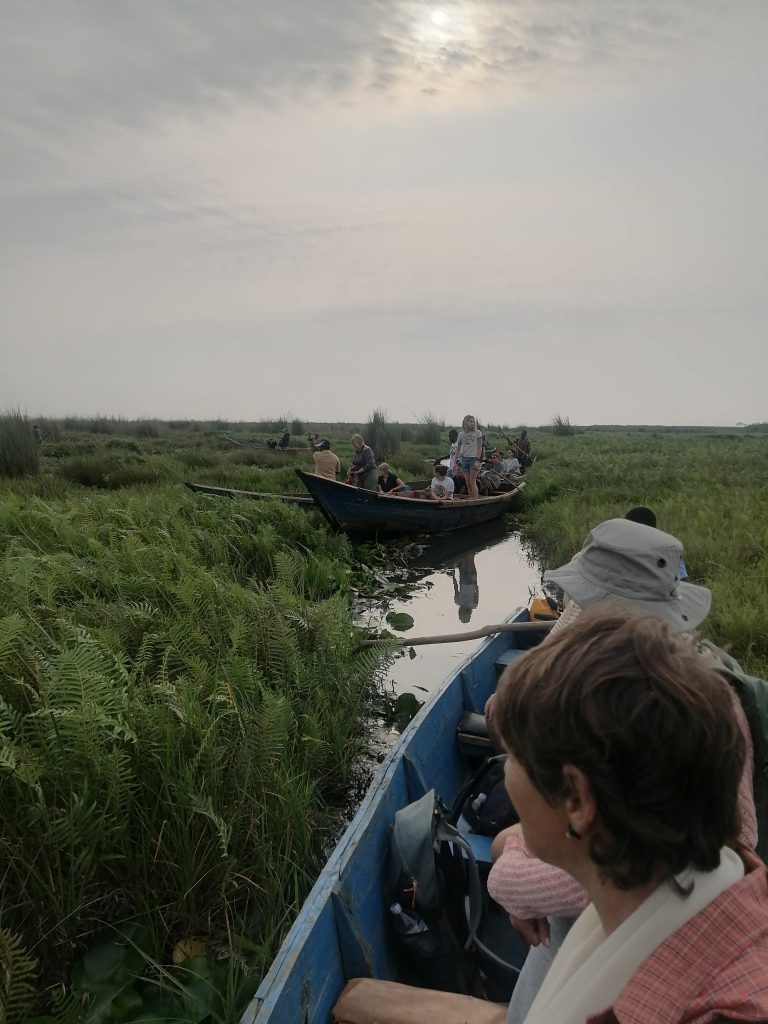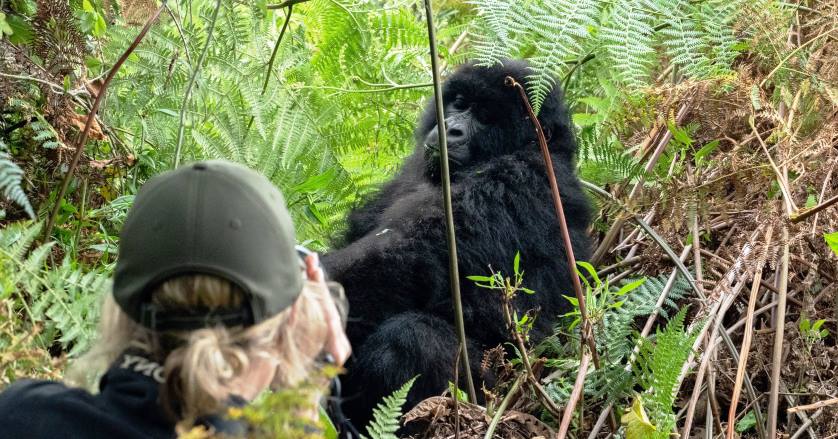
One-day Shoebill excursion from Nakiwogo Landing Site to Mabamba Swamp offers an unforgettable opportunity to encounter this prehistoric-looking bird in its natural habitat while enjoying the beauty of Uganda’s wetlands and the calm waters of Lake Victoria. Uganda is home to one of Africa’s most iconic and sought-after birds, the majestic Shoebill. This itinerary is designed to provide a relaxed yet rewarding birding experience suitable for nature lovers, photographers, and adventure travelers alike.
When a one day Shoebill Excursion bergin
One-Day Shoebill Excursion begins early in the morning at Nakiwogo Landing Site in Entebbe, one of the main departure points for boats crossing to the Mabamba wetlands. Guests are advised to arrive by 5:30 AM to enjoy the cool morning atmosphere and prepare for departure. The early start is important because shoebills are most active during the morning hours when temperatures are cooler and the wetlands are calm. Upon arrival, travelers meet their birding guide and boat captain for a short briefing about the journey, safety precautions, and expectations for the excursion.
As dawn breaks over the lake, the boat departs from Nakiwogo Landing Site at approximately 6:00 AM. The ride across Lake Victoria is peaceful and scenic, offering spectacular views of the sunrise reflecting on the water. During the crossing, travelers may already begin spotting various bird species including African fish eagles, pied kingfishers, cormorants, herons, and egrets. Local fishermen in wooden canoes often create a picturesque scene that adds to the charm of the experience. Depending on the weather and the type of boat used, the journey to Mabamba Swamp typically takes between 35 and 50 minutes.
Upon reaching the edge of Mabamba Swamp, visitors transfer into smaller motorized canoes better suited for navigating the narrow papyrus channels of the wetland. Mabamba is internationally recognized as an Important Bird Area and is one of the best places in Uganda to see the elusive shoebill. The swamp’s dense papyrus vegetation and shallow waters provide an ideal feeding ground for the bird, particularly because of the abundance of lungfish, one of the shoebill’s preferred prey.
The main birding excursion begins around 7:00 AM as the canoe slowly glides through the quiet channels of the swamp. Local guides, many of whom have years of experience tracking shoebills, communicate with fishermen and fellow guides to identify the bird’s most recent location. Patience and silence are essential during this part of the trip because shoebills are sensitive to noise and sudden movement. Travelers are encouraged to keep cameras ready while remaining seated quietly in the canoe.
Between 8:00 AM and 10:30 AM is considered the prime shoebill tracking window. During this time, chances of spotting the bird are at their highest. Witnessing a shoebill standing motionless among the papyrus reeds is a truly unforgettable moment. With its enormous shoe-shaped bill, towering height, and piercing eyes, the shoebill appears almost prehistoric. Bird photographers often consider Mabamba one of the finest locations in Africa for capturing close-range images of this remarkable species.
Other birds to see during a Shoebill excursion in Mabamba Swamp
Apart from the shoebill, Mabamba Swamp supports an impressive variety of wetland birds and wildlife. Visitors may encounter malachite kingfishers, African jacanas, swamp flycatchers, purple swamphens, yellow-billed ducks, and numerous species of weavers and herons. The calm environment, interrupted only by bird calls and the gentle sound of paddles in the water, creates a serene and immersive nature experience.
At around 11:00 AM, the excursion may include an optional stop at a nearby fishing community or local wetland village. This brief cultural interaction allows travelers to learn more about the people who depend on the swamp for fishing, papyrus harvesting, and eco-tourism activities. Guests may enjoy local Ugandan tea or coffee while listening to stories about the wetland ecosystem and conservation efforts that help protect the shoebill habitat. Such community tourism initiatives have become increasingly important in supporting local livelihoods while promoting environmental conservation.
Lunch is typically arranged around 12:30 PM. Travelers can either carry packed meals from Entebbe or enjoy a simple lakeside meal prepared by local hosts. Common meal options include grilled tilapia, rice, matooke, chapati, fresh fruits, and bottled drinks. The lunch break provides an opportunity to relax, review photographs, and appreciate the tranquil beauty of the wetland surroundings.
After lunch, the return birding excursion begins with a slower exploration of alternative channels within the swamp. Afternoon birding offers another chance to observe wetland species and capture scenic photographs of the papyrus landscape against the backdrop of Lake Victoria. Although shoebill sightings are less predictable in the afternoon, it is still possible to encounter one resting or feeding in quieter sections of the swamp.
When a one day Shoebill Excursion end
At approximately 3:00 PM, visitors begin the boat journey back across Lake Victoria toward Entebbe. The afternoon ride often provides beautiful lighting conditions and refreshing lake breezes that make for a pleasant conclusion to the excursion. Travelers usually arrive back at Nakiwogo Landing Site around 4:00 PM, marking the end of a memorable one-day Shoebill Excursion
This shoebill excursion is ideal for travelers with limited time who still wish to experience Uganda’s extraordinary birdlife and wetland scenery. Combining wildlife viewing, bird photography, cultural encounters, and scenic boating, the trip offers an enriching glimpse into one of Uganda’s most unique ecosystems. Whether you are an experienced birder or a first-time visitor to Uganda, a journey from Nakiwogo Landing Site to Mabamba Swamp promises a rewarding and unforgettable encounter with one of Africa’s rarest birds. Book with us Brilyn Safaris Limited for a better experience. For more information you can visit Uganda Wildlife Authority.